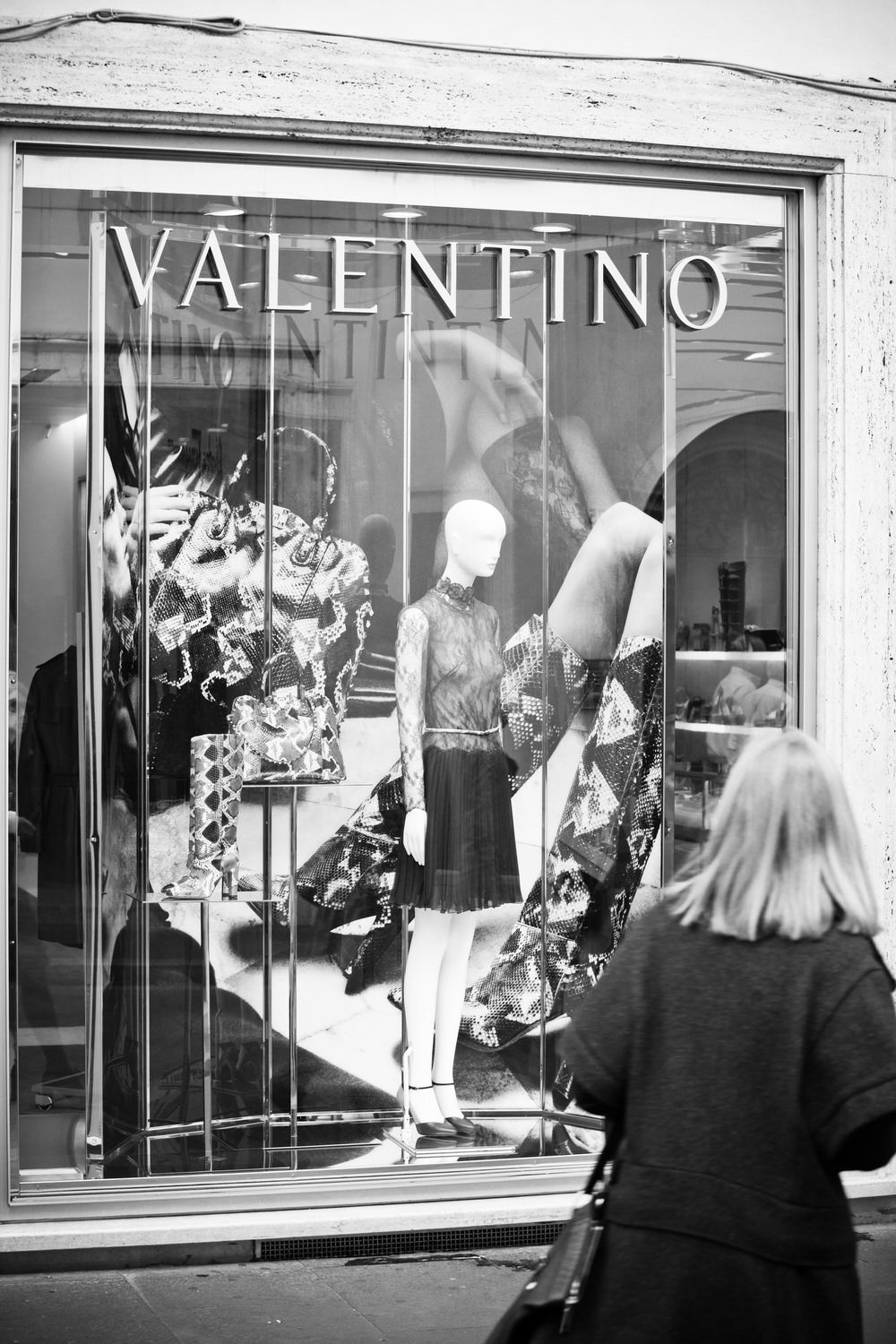
Valentino Garavani è uno dei più grandi designer italiani. Ha inventato una tonalità di rosso, chiamata semplicemente "Valentino Red", che diventò il suo colore distintivo. Nato nel nord Italia, Valentino aprì la sua agenzia a Roma e gradualmente diventò uno degli stilisti più stimati nel mondo della moda. Molti personaggi famosi hanno indossato nelle sue creazioni, per esempio Jacqueline Kennedy e Audrey Hepburn. Valentino è andato in pensione nel 2008, ma la sua eredità continua a vivere. Il nome Valentino rimane un simbolo di bellezza. L'agenzia è ora sotto la direzione di Pierpaolo Piccioli.
Italy has long been synonymous with luxury, style, and craftsmanship, making it a powerhouse in the global fashion industry. From the cobbled streets of Milan to the rolling hills of Tuscany, the country is home to some of the most iconic fashion brands in history. These labels not only reflect Italian artistry but also define elegance and innovation on a global scale.
Italy’s fashion brands are more than just labels; they represent a way of life steeped in artistry, tradition, and innovation. From Milan’s runways to Hollywood’s red carpets, these brands have shaped global fashion and inspired generations.
Whether it’s a Gucci bag, a Prada dress, or a pair of Ferragamo shoes, each piece tells a story of Italian excellence, ensuring that the country remains at the heart of the fashion world for years to come.
Here’s a closer look at some of the most celebrated fashion brands founded in Italy, each with a unique story and lasting legacy.
Few names in fashion conjure such effortless grace and timeless sophistication as Valentino Garavani. Known simply as Valentino, the Italian designer built an empire on beauty, crafting gowns that capture the essence of glamour, femininity, and Italian luxury. For more than six decades, Valentino has shaped how the world sees elegance, dressing royalty, celebrities, and style icons in his signature shade of “Valentino red.”
Valentino Clemente Ludovico Garavani was born in 1932 in Voghera, a small town in northern Italy. His fascination with fashion began early, sketching dresses and studying costume design long before entering the couture world. After training at the École des Beaux-Arts and the Chambre Syndicale de la Couture Parisienne in Paris, Valentino worked under Jean Dessès and Guy Laroche, absorbing the refinement of French haute couture.
In 1959, he returned to Rome and opened his own fashion house on the historic Via Condotti, instantly attracting attention for his luxurious fabrics, romantic silhouettes, and impeccable craftsmanship. His 1962 Florence debut at the Pitti Palace established him as a rising star in international fashion.
Every great designer has a signature, and for Valentino, it was a color: a deep, passionate hue of crimson now universally known as “Valentino Red.” The shade became his emblem, appearing on everything from opera gowns to cocktail dresses, symbolizing both confidence and sensuality.
Valentino’s style rejected trends in favor of timelessness. His designs celebrated structure and softness at once: slim silhouettes, flowing chiffon, lace, and embroidery, often accented by bows, roses, and ruffles. He mastered the art of balance: opulent yet refined, dramatic yet wearable.
He once said, “I know what women want. They want to be beautiful.” That simple philosophy defined his career and became the foundation of his enduring appeal.
From the 1960s onward, Valentino became the designer of choice for the world’s most elegant women. His clients included Jacqueline Kennedy Onassis, Audrey Hepburn, Elizabeth Taylor, and Sophia Loren.
In 1968, Jacqueline Kennedy famously wore a white Valentino gown for her wedding to Aristotle Onassis, a moment that cemented his reputation among global elites. Over the years, Valentino’s red-carpet creations have graced the Oscars, Cannes, and countless royal events, symbolizing luxury and prestige.
In 1960, Valentino met Giancarlo Giammetti, who became his business partner and lifelong companion. Together, they built not just a fashion house, but an empire. Under their leadership, the Valentino brand expanded into ready-to-wear, accessories, perfumes, and bridal collections always maintaining its aura of Italian refinement.
Valentino retired in 2008 with a spectacular farewell show in Rome, attended by hundreds of celebrities and fashion luminaries. His departure marked the end of an era in haute couture — one defined by grace, romance, and craftsmanship.
Today, the house continues under the creative direction of Pierpaolo Piccioli, who honors Valentino’s legacy while infusing it with modern sensibility. Piccioli’s collections reinterpret the classic Valentino codes, femininity, color, and elegance, for a new generation, ensuring the brand’s relevance in the 21st century.
Beyond his atelier, Valentino is known for his love of art, architecture, and dogs. His beloved pugs have accompanied him to many fashion events. His life was captured in the acclaimed 2008 documentary “Valentino: The Last Emperor,” which revealed both the grandeur and the human warmth behind his perfectionism.
Even in retirement, Valentino remains a symbol of style and sophistication. He continues to host exhibitions of his work around the world, reminding audiences that true fashion is an art form, one that transcends time.
Valentino Garavani’s contribution to fashion is not just about clothing; it’s about the celebration of beauty, elegance, and the confidence that comes from feeling extraordinary. His creations have outlasted trends and continue to inspire designers and fashion lovers alike.
In a world where fashion often chases novelty, Valentino’s vision remains a reminder of the enduring power of elegance. As he once said, “I love beauty. It’s not my fault.” And for that, the world of fashion will always love Valentino.