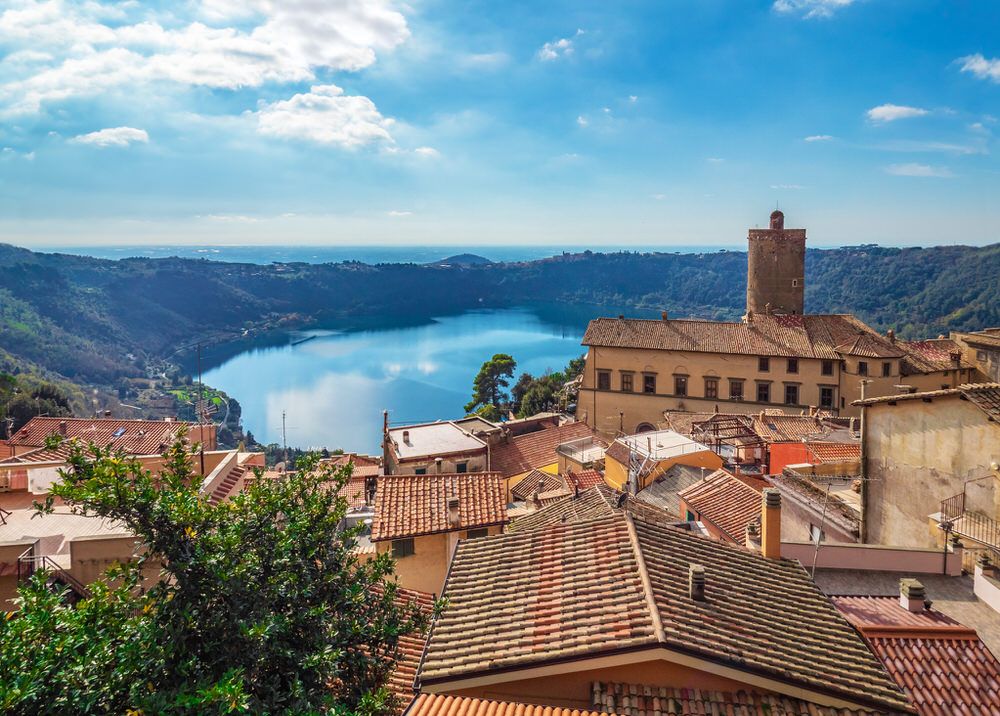
Il Lazio è una regione dell’Italia centrale. Non solo è la patria di Roma, ma è anche ricca di storia, cultura e bellezze naturali. È stata anche la patria dell’imperatore romano. La regione ha numerosi paesaggi vulcanici, piccoli villaggi, e tante tradizioni antiche. Anche la cucina classica laziale è conosciuta in tutto il mondo. Vi sono anche diversi prodotti tipici. Una visita in questa regione è dovuta e speciale perché la sua cultura è un mix di tradizioni antiche e moderne.
Lazio is a region that sits at the very heart of Italy geographically, historically, and culturally. Best known as the home of Rome, Lazio is far more than its capital city. It is a land of ancient civilizations, volcanic lakes, medieval hill towns, fertile countryside, and a living heritage that stretches back thousands of years.
Lazio’s history predates Rome itself. Long before the rise of the Roman Republic and Empire, the area was inhabited by the Latins, Etruscans, and other Italic peoples. Rome’s founding in the 8th century BCE transformed the region into the political center of the ancient world. Roads, aqueducts, amphitheaters, and villas spread across Lazio, many of which still stand today.
After the fall of the Roman Empire, Lazio became a crucial stronghold of the Catholic Church. For centuries it was governed as part of the Papal States, giving the region a unique political and cultural trajectory compared to other parts of Italy. This legacy remains visible in monasteries, churches, and fortified towns scattered across the landscape.
While Rome dominates global attention, Lazio’s natural beauty and smaller cities are equally compelling. The region is marked by volcanic terrain, creating dramatic landscapes such as Lake Bracciano and Lake Bolsena, two of central Italy’s most pristine lakes. Rolling hills, olive groves, and vineyards define much of the countryside.
Historic towns like Tivoli, with its famous Villa d’Este fountains and Hadrian’s Villa, showcase Roman engineering and Renaissance artistry. Viterbo, often called the “City of the Popes,” features remarkably preserved medieval architecture. Towns such as Civita di Bagnoregio, dramatically perched atop eroding volcanic rock, offer a sense of timelessness that contrasts with Rome’s urban intensity.
Lazio’s culture blends grandeur with everyday simplicity. Roman influence can be felt in everything from local dialects to culinary traditions. Festivals rooted in religious and agricultural calendars remain central to community life, particularly in smaller towns. Processions, historical reenactments, and food-centered celebrations connect modern residents to ancient rhythms.
Despite its long history, Lazio is not frozen in time. Contemporary art, film, and fashion thrive in Rome, while universities and research institutions attract students from around the world. The region balances its monumental past with a dynamic present.
Lazio’s cuisine is among the most influential in Italy. Roman dishes emphasize bold flavors and simple ingredients. Pasta classics such as cacio e pepe, carbonara, amatriciana, and gricia originated here and are celebrated worldwide. These dishes reflect a tradition of cucina povera, humble cooking elevated through technique and quality ingredients.
The countryside contributes its own specialties, including olive oil, pecorino cheese, porchetta, and seasonal vegetables like artichokes and fava beans. Local wines, especially from the Castelli Romani area, complement the region’s food culture.
What makes Lazio unique is its role as a crossroads of empire and faith, rural and urban life, ancient and modern worlds. Few places offer such a dense concentration of historical layers while remaining deeply connected to contemporary Italian life.
To visit or study Lazio is to encounter Italy in its most essential form: complex, resilient, and endlessly fascinating. Whether standing in the shadow of the Colosseum, wandering a quiet hill town, or sharing a simple meal in a local trattoria, Lazio reveals how the past continues to shape the present every single day.