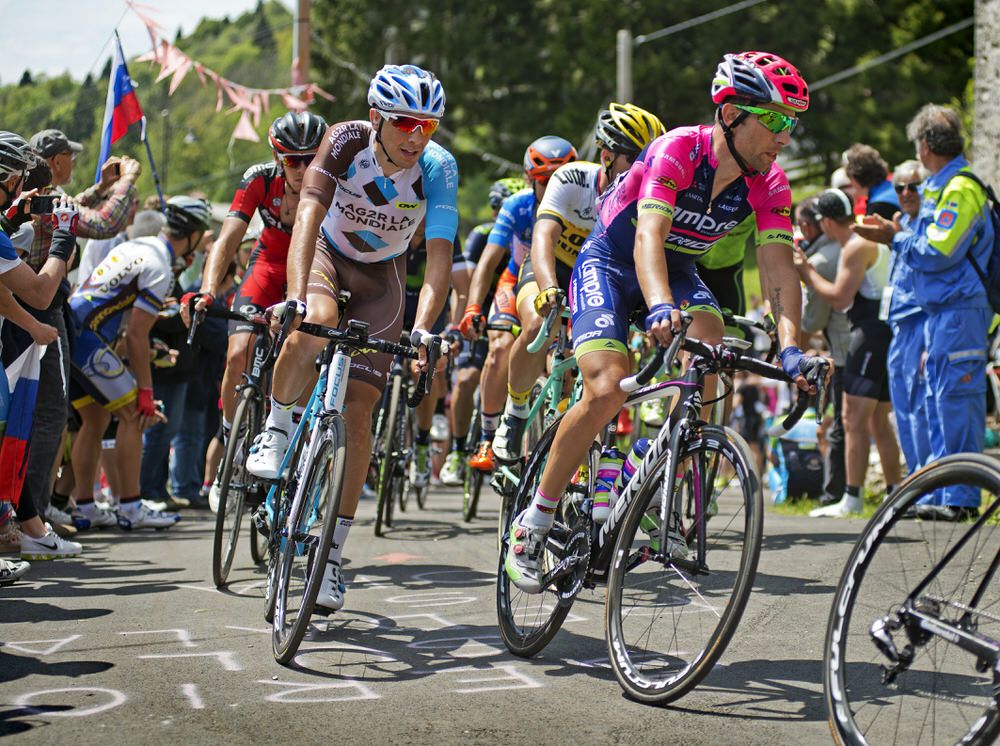
The Giro d’Italia is one of the most iconic cycling races in the world, combining extreme athletic endurance with breathtaking scenery and deep national pride. Held every spring, it forms part of cycling’s prestigious Grand Tours alongside the Tour de France and Vuelta a España. For over a century, it has challenged riders with punishing mountain climbs, long distances, and unpredictable weather while showcasing the beauty of Italy.
The race was first held in 1909, created by La Gazzetta dello Sport to boost readership and celebrate the rising popularity of cycling. Its signature symbol, the pink jersey (maglia rosa), comes from the color of the newspaper’s pages and is worn by the overall leader of the race.
Each edition of the Giro is a journey across Italy, with routes that change every year but always highlight the country’s dramatic geography. Riders climb the steep Dolomites, race through the Apennines, pass vineyards in Tuscany, and sprint along coastal roads. The race is not just a sporting event but a moving portrait of Italy itself.
The 2026 edition of the Giro d’Italia will be the 109th in history and will take place from May 8-31, 2026. It will cover 21 stages over roughly 2,000 miles, with a demanding mix of flat stages, mountain stages, and a single individual time trial.
The race will begin unusually outside Italy, in Nessebar, Bulgaria, marking a rare international Grand Départ. The first three stages will take place in Bulgaria before the race moves into southern Italy and gradually travels north.
From there, the route will unfold across the country, passing through regions like Campania, Tuscany, Lombardy, and the Alpine north. Riders will face a brutal accumulation of climbing, nearly 50,000 meters (31 miles) in total, and multiple summit finishes that could decide the general classification.
Key features of the 2026 route include a 40 km (approximately 25 mile) individual time trial (Stage 10), crucial for general classification contenders; multiple high mountain finishes in the Apennines, Alps, and Dolomites; and a final stage finishing in Rome, where the overall winner will be crowned.
What makes the Giro d’Italia so special is its unpredictability. Weather in the mountains can change everything in minutes, and long climbs often decide the race more than sprint finishes. In 2026, the combination of early climbing stages and late Alpine challenges is expected to make the competition especially intense.
Beyond the competition, the Giro is a nationwide celebration. Towns along the route transform into open-air festivals, with locals gathering roadside to cheer on the peloton. For many communities, the arrival of the race is a once-a-year spectacle that brings global attention and excitement.
The Giro is not only about who wins the pink jersey. It is about endurance, landscape, and identity. It connects modern sport with centuries-old cities, mountain passes, and rural villages. It also reflects Italy’s cultural diversity, as each stage passes through regions with their own traditions, dialects, and cuisine.
As the 2026 edition unfolds, it promises the same drama that has defined the race for more than a century – grueling climbs, tactical battles, and unforgettable moments on the road to Rome.
The Giro d’Italia remains what it has always been: a moving epic across Italy, written one stage at a time.