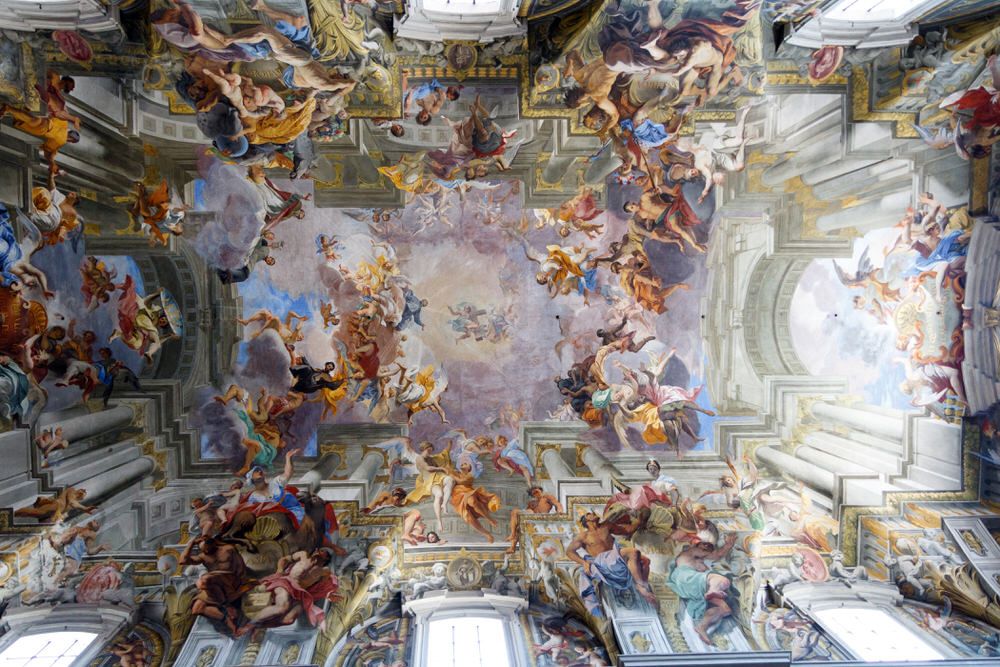
Italy’s artistic heritage is one of the most influential in the world. A continuous thread that runs from the ancient mosaics of Ravenna to the Renaissance masterpieces of Florence and the contemporary installations of Venice. To truly understand Italian art, one must go beyond museum walls and textbook pages. The best approach blends study, observation, and immersion connecting art with the culture and context that shaped it.
Before diving into specific artists or movements, it helps to grasp the broad flow of Italian art history.
Explore the Roman Empire’s mosaics, sculptures, and architecture. The transition to early Christian and Byzantine art, like the mosaics of Ravenna or the icons of Venice, reveals the spiritual foundation that guided later works.
The Renaissance is Italy’s golden age. Study how artists like Giotto, Botticelli, Leonardo da Vinci, and Michelangelo revolutionized perspective, anatomy, and human expression.
Learn how Caravaggio’s Baroque dramatic realism and Bernini’s dynamic sculptures changed European art. Understand Italy’s role in Futurism, design, and contemporary art, where figures like Umberto Boccioni and Piero Manzoni pushed boundaries.
Building a timeline gives you a roadmap for understanding how styles evolved and influenced each other.
No textbook can replace the experience of seeing art in person. Italy’s museums are living classrooms. In Florence, the Uffizi Gallery and Accademia are must-visits for Renaissance masterpieces while in Rome the Vatican Museums, Borghese Gallery, and ancient ruins offer layers of artistic history.
Venice’s Gallerie dell’Accademia and the Venice Biennale showcase both classic and modern creativity.
When visiting, take time to sketch, jot notes, or compare works by the same artist — active observation sharpens your eye.
Italian art doesn’t live only in galleries; it’s part of the streets, churches, and landscapes. Walk into any Italian church, and you’ll find frescoes, sculptures, and altarpieces in their original setting, a richer experience than a museum display.
From Brunelleschi’s dome in Florence to Palladio’s villas in Veneto, architecture tells its own artistic story.
Explore regional art forms like Sicilian puppetry, Tuscan ceramics, and Venetian glass to see how craftsmanship supports Italy’s artistic identity.
For deeper understanding, structured study helps connect the dots. Online and in-person courses at institutions like the Courtauld Institute, the Scuola Leonardo da Vinci, or local Italian universities offer art history programs.
Other programs combine travel with lectures and studio practice, such as those in Florence, Siena, or Rome, which provide both education and hands-on experience.
One of the best ways to understand Italian art is to create it. Try your hand at drawing, painting, or sculpting. Copying a Renaissance master’s technique, whether studying chiaroscuro or fresco, reveals the discipline and vision behind each stroke.
Italian art isn’t frozen in the past. Attend contemporary exhibitions, follow modern Italian artists online, and explore how today’s creators reinterpret tradition. Understanding this continuity helps you see Italian art as a living, evolving conversation across centuries.
The best way to learn about Italian art is to approach it as both a scholar and a traveler — to see it, study it, and live it. By combining historical study, direct observation, and creative engagement, you gain not just knowledge, but appreciation for how deeply art is woven into Italy’s identity. In the end, Italian art teaches us not just about beauty, but about humanity itself — expressed in marble, pigment, and light.