Fare un’escursione sull’Etna è una delle esperienze più indimenticabili della Sicilia, offrendo ai visitatori la rara opportunità di esplorare il vulcano più alto e più attivo d’Europa. Tra antiche colate laviche, crateri spenti e spettacolari panorami dalla vetta, ogni sentiero rivela un paesaggio modellato dalla straordinaria forza della natura. Che si tratti di una piacevole passeggiata o di un’impegnativa salita guidata, l’Etna unisce scenari mozzafiato, una geologia affascinante ed esperienze uniche, confermandosi come una delle più straordinarie destinazioni naturalistiche d’Italia.
Standing more than 11,000 feet above the eastern coast of Sicily, Mount Etna is unlike any other hiking destination in Europe. As the continent’s highest and most active volcano, Etna offers an extraordinary blend of adventure, geology, history, and breathtaking scenery.
Every hike tells a different story, as the mountain is constantly reshaped by eruptions that create new lava fields, craters, and dramatic landscapes.
Whether you’re an experienced trekker seeking the summit or a casual traveler looking for an easy walk across ancient lava flows, hiking Mount Etna provides a rare opportunity to witness the raw power of nature while exploring one of Italy’s most iconic natural landmarks.
Unlike dormant volcanic peaks, Mount Etna is constantly evolving. Frequent eruptions, some dramatic, others relatively mild, add fresh layers of volcanic rock while creating spectacular displays of glowing lava and ash. Despite its active nature, Etna remains one of Sicily’s most visited attractions thanks to careful monitoring by volcanologists and strict safety regulations.
This ever-changing environment means no two visits are exactly alike. Trails may close after eruptions, new paths may open, and familiar landscapes can be transformed within weeks.
Visitors who prefer a relaxed outing can explore lower-elevation trails through centuries-old lava fields and extinct craters. These routes typically require little hiking experience and offer excellent views of Etna’s rugged volcanic terrain.
One popular destination is the Silvestri Craters near Rifugio Sapienza, where short walking paths wind around dormant cones formed during the 1892 eruption. The black volcanic soil contrasts beautifully with Mediterranean vegetation that has gradually reclaimed parts of the landscape.
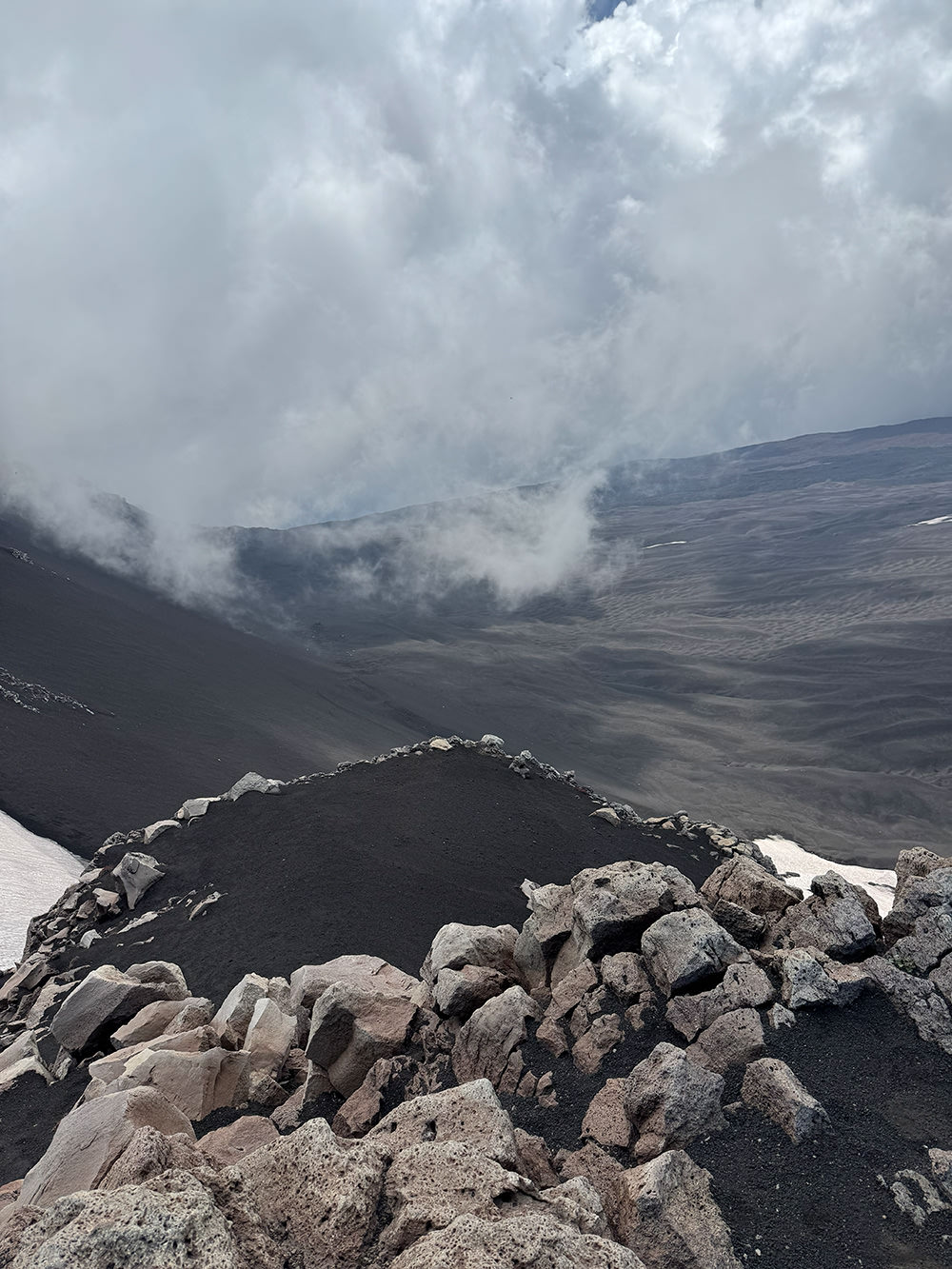
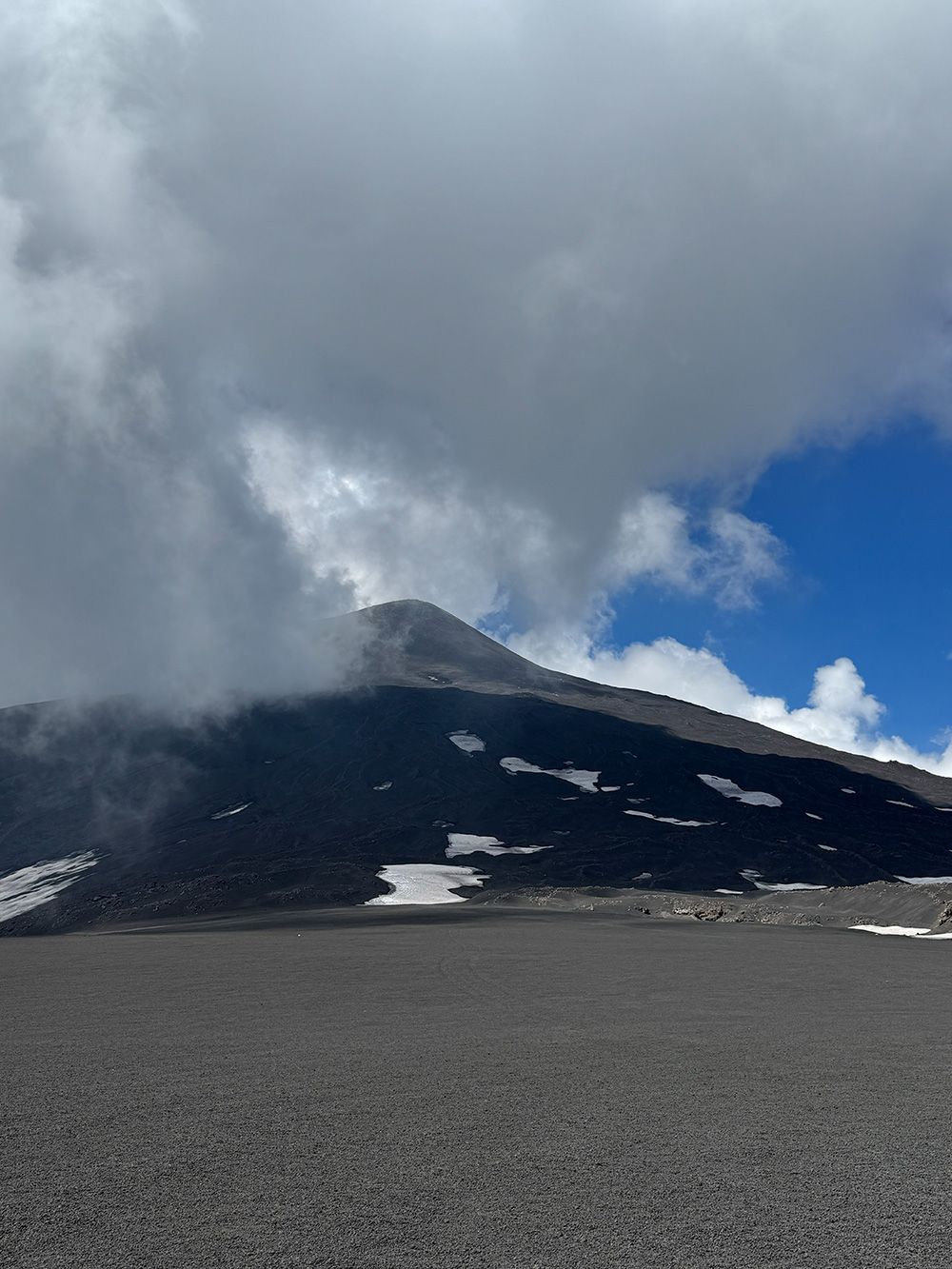
For those looking for a more challenging excursion, guided hikes across higher lava deserts reveal vast fields of solidified lava, volcanic caves, and panoramic overlooks stretching toward the Ionian Sea.
Along the way, hikers encounter unusual geological formations, colorful mineral deposits, and surprisingly resilient plant life that has adapted to one of Europe’s harshest environments.
Reaching Etna’s upper craters is the ultimate experience for adventurous hikers. Because volcanic conditions change frequently, access to the summit is often restricted and generally requires certified alpine or volcanic guides.
These full-day excursions may combine cable car rides, specially equipped off-road vehicles, and several hours of hiking through loose volcanic ash and rocky terrain. The reward is an unforgettable view into steaming summit craters and sweeping vistas across Sicily, with the coastline visible on clear days.
Although Etna appears barren from a distance, the volcano supports remarkable biodiversity. Lower elevations feature forests of chestnut, oak, pine, and birch, while spring and early summer bring colorful wildflowers to volcanic meadows.
Birdwatchers may spot hawks, falcons, and kestrels soaring above the lava fields, while foxes, rabbits, hedgehogs, and numerous reptiles inhabit the mountain’s wooded slopes.
The changing elevations create several distinct climate zones, making a single day’s hike feel like traveling through multiple ecosystems.
One of the most fascinating aspects of hiking Mount Etna is witnessing the incredible variety of volcanic formations. Visitors encounter: ancient lava rivers frozen in place, jagged black basalt rock formations, volcanic ash deserts, steam vents releasing geothermal gases,
massive craters formed by past eruptions, and lava tubes carved beneath flowing magma. Each feature offers insight into the powerful geological forces that continue to shape Sicily today.
Mount Etna can be visited year-round, but each season offers a different experience. Spring (April–June) brings comfortable temperatures, blooming wildflowers, and excellent visibility while summer (July–September) offers long daylight hours, though temperatures can become quite warm at lower elevations while remaining pleasantly cool higher on the mountain. Autumn (October–November) is favored by many hikers for its crisp air, fewer crowds, and vibrant forest colors. Winter (December–March) transforms Etna into a striking landscape where snow-covered slopes meet black volcanic rock. During this season, skiing and snowshoeing are also possible when conditions allow.
Even during summer, weather on Mount Etna can change rapidly. Essential gear includes sturdy hiking boots with good traction, layers of clothing for changing temperatures, a windproof jacket, hat and sunglasses, sunscreen, plenty of water, snacks or a packed lunch, and a camera for the spectacular scenery. Volcanic ash can be slippery and abrasive, making proper footwear especially important.
Because Mount Etna is an active volcano, hikers should always check current conditions before visiting. Summit access may be restricted due to volcanic activity, weather, or seismic events.
Guided excursions are highly recommended for higher elevations, where experienced guides monitor volcanic conditions and ensure visitors remain within designated safe areas.
Few destinations allow travelers to hike across freshly formed lava, peer into volcanic craters, and witness an active volcano that has shaped local culture for thousands of years. Mount Etna is more than just a mountain. It is a living geological masterpiece that continues to transform before visitors’ eyes.
Whether exploring ancient lava fields, climbing toward steaming summit craters, or simply watching the sun set over Sicily from the volcano’s slopes, hiking Mount Etna delivers an unforgettable adventure that showcases the incredible power and beauty of the natural world.