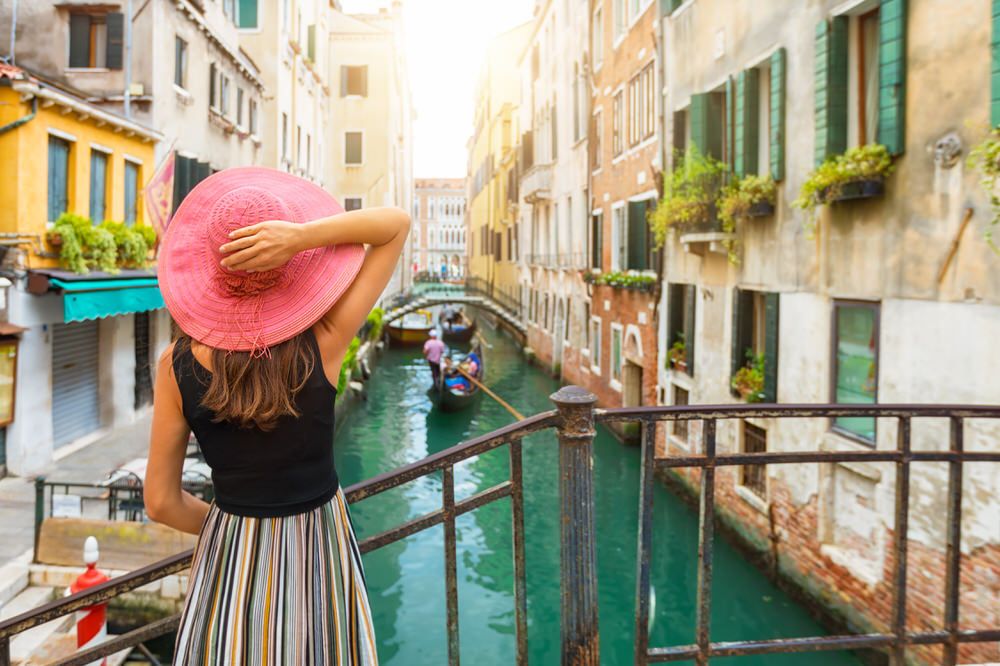
Con l’arrivo della primavera in Italia, la moda si evolve naturalmente con il ritmo della stagione. Gli strati pesanti dell’inverno lasciano il posto a tessuti traspiranti come lino, cotone e lana leggera, riflettendo sia l’aumento delle temperature sia l’amore italiano per un’eleganza senza sforzo. Le strade di città come Milano, Firenze e Roma si animano di tonalità neutre e pastello—verdi salvia, rosa polveroso e azzurri tenui—che richiamano i giardini in fiore e i cieli sempre più luminosi.
Al centro dello stile primaverile italiano c’è l’idea di sprezzatura, l’arte di apparire curati senza sembrare eccessivamente costruiti. I blazer sartoriali vengono indossati con naturalezza sopra camicie semplici, i pantaloni fluidi sostituiscono gli abiti invernali più strutturati e gli accessori restano minimalisti ma intenzionali. Ogni outfit è pensato per essere funzionale, adatto a un caffè al bar, a una passeggiata pomeridiana o a un aperitivo serale—fondendo bellezza, comfort e vita quotidiana in un’unica espressione armoniosa di stile.
Spring in Italy is not just a change in weather, it’s a cultural reset, a seasonal awakening that’s deeply reflected in the way Italians dress. As the chill of winter fades and sunlight spills across piazzas and cobblestone streets, wardrobes shift toward lighter fabrics, softer colors, and an effortless elegance that defines Italian style.
Italian spring fashion is rooted in the philosophy of sprezzatura – a carefully cultivated nonchalance. Nothing looks overdone, yet every detail feels intentional. Tailored blazers replace heavy coats, often layered over simple cotton shirts or fine knits. Both men and women embrace structure, but never at the expense of comfort. The silhouette is clean, fluid, and practical for long walks through historic city centers.
Color plays a central role in spring attire. Neutrals like beige, cream, and soft gray dominate, accented by gentle pastels like sage green, dusty rose, sky blue. In cities like Florence and Milan, these tones mirror the blooming gardens and brightening skies, creating a visual harmony between fashion and environment. Patterns remain subtle: a striped shirt, a delicate floral scarf, or a textured fabric that catches the light.
Fabric choice is equally important. Italians transition to breathable materials such as linen, lightweight wool, and cotton blends. Linen trousers and relaxed shirts become staples, offering both style and relief from rising temperatures. Footwear shifts as well, leather loafers, sleek sneakers, and low-profile boots replace bulkier winter shoes, always polished but never flashy.
Accessories are where personality quietly shines. A well-chosen pair of sunglasses, a silk scarf, or a structured handbag can elevate even the simplest outfit. Jewelry remains minimal, favoring timeless pieces over bold statements. In Italy, refinement is found in restraint.
What truly sets Italian spring fashion apart is its connection to lifestyle. Clothing is chosen not just for appearance, but for living well – morning espresso at a café, afternoon strolls, evening aperitivo. Outfits transition seamlessly throughout the day, balancing elegance with ease.
Ultimately, spring fashion in Italy is less about chasing trends and more about embodying a way of life. It reflects an appreciation for beauty, quality, and subtlety, where looking good is simply a natural extension of feeling good in one’s surroundings.