L’articolo descrive la storia degli immigrati italiani che, negli Stati Uniti, nell’Ottocento, portarono con sé le loro tradizioni uniche per la Pasqua. Giacché gli immigrati abitavano nelle stesse comunità, queste tradizioni poterono sopravvivere nel tempo. Le celebrazioni di Pasqua includono ancora oggi le funzioni in chiesa, le processioni e i pasti tradizionali. Ci sono anche varie ricette che si preparano solo per questa festa, ad esempio i pani in trecce, le crostate di ricotta, i biscotti e l’agnello. Con il passare degli anni, queste tradizioni italiane si sono mescolate con quelle americane, ma la festa è ancora incentrata sulla fede, sulla famiglia e sull’eredità culturale.
When Italians began arriving in America in the late 1800s, they brought more than suitcases and a few lire tucked in a pocket. They carried their seasons, their saints, and the rhythm of life they had known back home. By 1920, more than 4 million Italians had come to the U.S., settling in tight-knit neighborhoods where the language, food, and faith felt familiar. Easter quickly became one of the holidays that held everything together.
In Italy, Easter wasn’t just a date on the calendar. It was a whole stretch of time, processions, fasting, family rituals, and the quiet feeling that spring had finally pushed winter aside.
Immigrants rebuilt that world as best they could. The parish church became the anchor. Holy Week Masses were said in Italian, and Good Friday processions wound through streets lined with tenements and corner shops. Men carried statues of the Madonna or the dead Christ the same way their fathers and grandfathers had done in the old country. Even in a new land, the steps felt familiar.
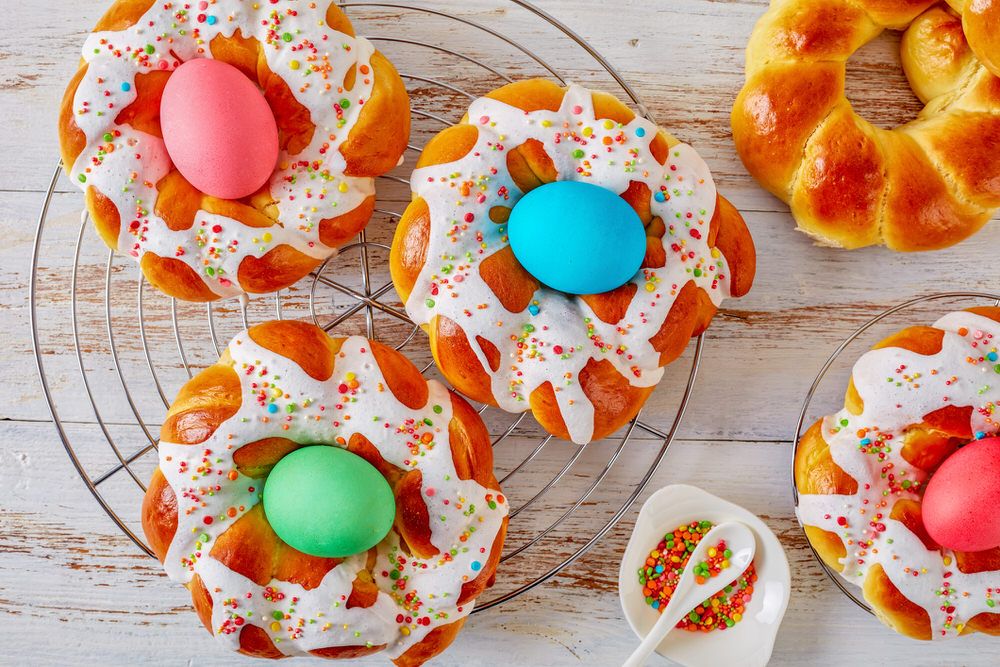
Inside the small apartments of Little Italys, the kitchen became the heart of Easter. Money was tight, but the holiday table was treated with respect. Women baked the braided breads with colored eggs, stirred ricotta for pies, and shaped cookies scented with lemon or anise. Lamb, the symbol of sacrifice and renewal, often appeared on the table even if it meant saving for weeks. These dishes weren’t just food. They were memory, identity, and a way of telling the children, “This is who we are.”
The neighborhoods themselves added to the celebration. Kids in their best Easter clothes, polished shoes, hair combed, filled the sidewalks after mass. Bakeries and butcher shops were packed in the days before the holiday, their windows full of bread, Italian cookies, and cured
meats. Families visited one another, carrying pastries wrapped in paper and tied with string. For a day or two, the long hours of labor and the struggle to fit into American life faded into the background.
Easter also became a way to hold on to traditions that might have disappeared in the rush to become American. Parents used the holiday to pass down old customs, bless the home with olive branches, and teach how to prepare dishes that were made only once a year and how to keep the season sacred. These small lessons helped preserve a culture that could easily have been lost.
Over time, Italian American Easter blended with American customs, egg hunts, baskets, and pastel colors, but the heart of it stayed the same. Faith, family, and food continued to bind people together, just as they had left them behind in the villages.
Today, when Italian American families gather around the Easter table, they’re taking part in a tradition more than a century old. It’s a quiet tribute to the immigrants who arrived with little yet managed to carry so much.