Tuscany is a region that seems to exist in a perfect balance between art and nature, history and daily life. Located in central Italy, it is celebrated worldwide for its rolling hills, medieval towns, Renaissance masterpieces, and a way of life that values beauty, tradition, and simplicity. To visit Tuscany is not just to see a place, but to experience a rhythm that has shaped Western culture for centuries.
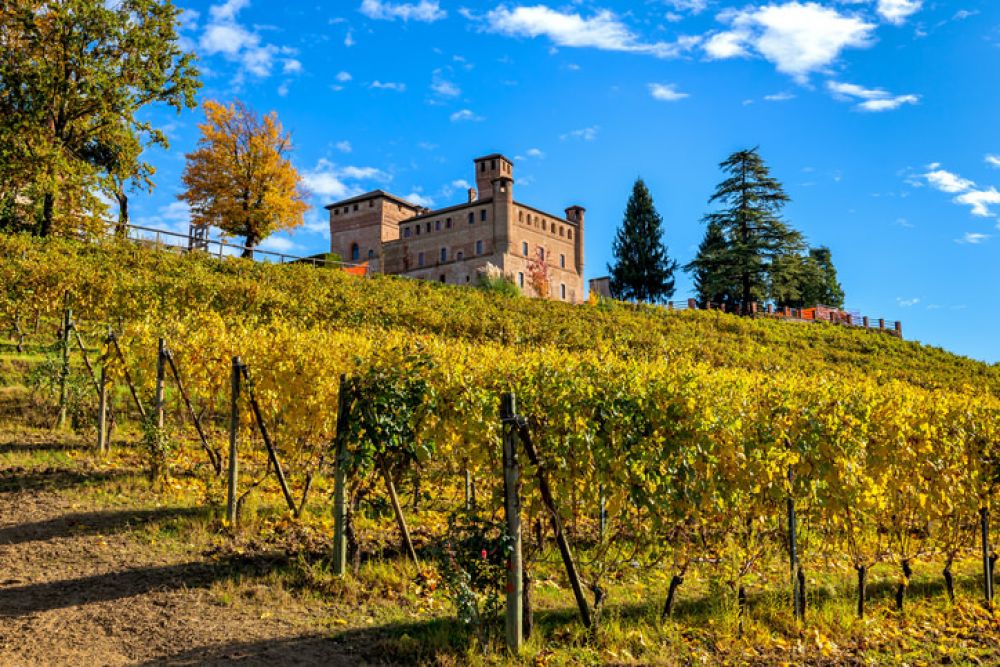
The landscape of Tuscany is among the most recognizable in the world. Soft hills ripple across the countryside, lined with cypress trees and dotted with stone farmhouses and vineyards. Regions such as the Val d’Orcia and Chianti are iconic, where golden wheat fields in summer give way to autumn harvests of grapes and olives. Along the coast, Tuscany reveals another side of itself, with sandy beaches, pine forests, and the Tuscan Archipelago, including the island of Elba, where Napoleon once lived in exile.
Tuscany’s cities and towns are open-air museums. Florence, the regional capital, is the birthplace of the Renaissance and home to some of humanity’s greatest artistic achievements. Works by Michelangelo, Leonardo da Vinci, Botticelli, and Brunelleschi define the city, from the marble statue of “David” to the magnificent dome of the Florence Cathedral. Beyond Florence, Siena enchants visitors with its shell-shaped Piazza del Campo and the famous Palio horse race, while Pisa draws crowds with its Leaning Tower. Smaller towns such as San Gimignano, Volterra, Montepulciano, and Cortona preserve medieval walls, towers, and traditions that feel untouched by time.
Art and history in Tuscany are inseparable from everyday life. Churches, palaces, and public squares were not built as museums but as living spaces, and they continue to serve their original purposes. Frescoes decorate chapels still used for worship, and centuries-old town halls remain centers of local government. This continuity gives Tuscany a rare authenticity, where the past is not distant but present.
Food and wine are central to Tuscan identity. The regional cuisine, known as cucina povera, emphasizes simple, high-quality ingredients rather than elaborate preparation. Dishes such as ribollita, pappa al pomodoro, and bistecca alla fiorentina reflect a deep respect for bread, vegetables, olive oil, and meat. Tuscany is also one of the world’s great wine regions, producing renowned varieties like Chianti Classico, Brunello di Montalcino, and Vino Nobile di Montepulciano. Meals here are unhurried, meant to be shared, and often extend into long conversations at the table.
Tuscany’s cultural influence extends far beyond its borders. The Tuscan dialect formed the basis of modern Italian, thanks largely to writers like Dante Alighieri, Petrarch, and Boccaccio. Their works helped define Italian literature and shaped European thought. Even today, Tuscany continues to inspire artists, writers, and travelers who are drawn to its beauty and intellectual legacy.
Ultimately, what makes Tuscany extraordinary is not just its famous landmarks, but the harmony between land, culture, and people. It is a place where art emerges naturally from daily life, where history feels alive, and where time seems to slow down just enough to be appreciated. Tuscany does not merely impress. It endures, inviting those who visit to return again and again.