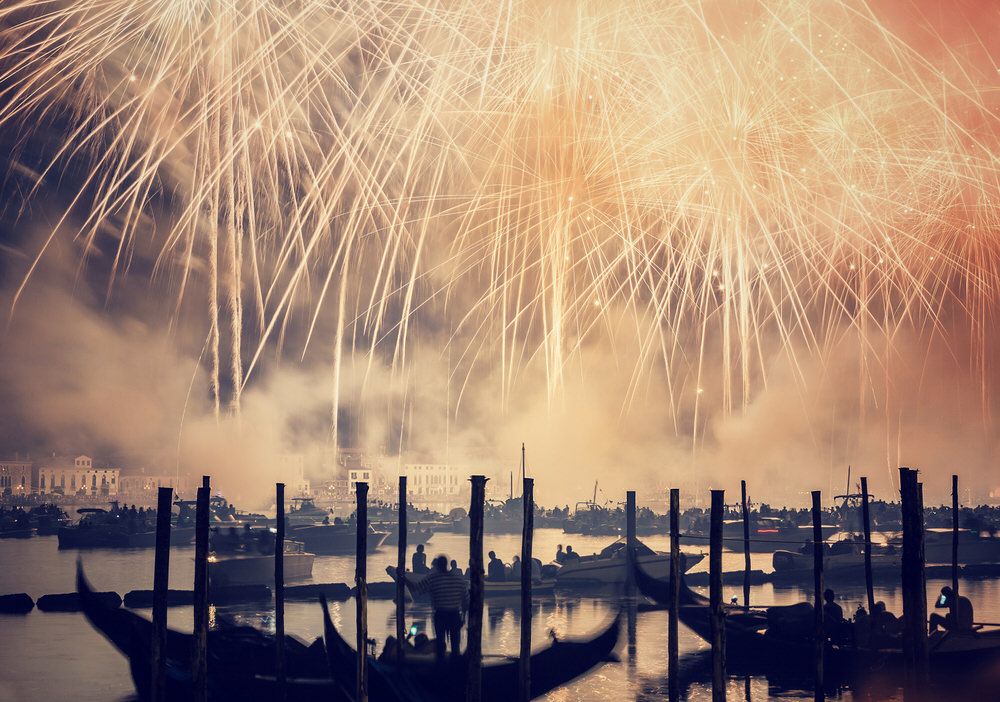
Fireworks in Italy are more than entertainment; they are a centuries-old expression of celebration, power, religion, and community identity. From Renaissance courts to modern seaside festivals, Italy has played a major role in shaping the cultural history of pyrotechnics in Europe.
Fireworks first arrived in Europe from China via trade routes during the late Middle Ages. By the 13th and 14th centuries, Italian city-states such as Venice, Florence, and Naples were among the first to experiment with pyrotechnic displays. Italians quickly refined the craft, transforming early explosive devices into elaborate public spectacles.
During the Renaissance, fireworks became a symbol of political power and artistic sophistication. Wealthy ruling families, including the Medici in Florence, commissioned elaborate displays for weddings, military victories, and religious celebrations.
In cities like Florence, fireworks were often synchronized with music, architecture, and theatrical performances, turning entire city squares into staged celebrations. These events were not just entertainment; they were statements of prestige and influence.
Venice played a particularly important role in the development of fireworks culture. The city’s maritime dominance and wealth allowed it to host some of the most elaborate public festivals in Europe.
One of the most famous traditions still continues today: the Festa del Redentore in Venice. First established in the 16th century after the end of a devastating plague, it includes a massive fireworks display over the Venetian Lagoon. Thousands gather on boats and bridges to watch the sky light up above the water, reflecting the city’s deep connection between celebration and survival.
Across Italy, fireworks became closely tied to Catholic feast days and patron saint celebrations. Towns would close streets, hold processions, and end the evening with fireworks to honor their protectors.
In southern Italy, this tradition remains especially strong. In places like Puglia, Sicily, and Campania, fireworks are still central to summer feste patronali, often accompanied by brass bands, illuminated streets, and late-night street food.
One of the most visually spectacular examples can be found in Scorrano, known for its illuminated festival honoring Santa Domenica, where fireworks often complement massive light displays.
By the 17th and 18th centuries, Italian fireworks makers were among the most skilled in Europe. The Baroque period favored dramatic, sensory-rich experiences, and fireworks became a key part of religious and royal celebrations.
Cities such as Naples became known for their expertise in pyrotechnics, developing techniques that influenced fireworks production across Europe.
Today, fireworks remain a central part of Italian cultural life, especially in summer. They appear at national holidays, seaside festivals, and summer concerts.
In cities like Florence, fireworks are still launched during the feast of San Giovanni, the city’s patron saint, lighting up the Arno River in a tradition that blends history and spectacle.
Coastal towns across the country continue to host nighttime fireworks shows during summer festivals, where reflections over the sea or historic harbors create especially dramatic scenes.
What makes fireworks in Italy unique is their deep cultural integration. They are not occasional spectacles but recurring expressions of identity; tied to faith, history, local pride, and seasonal celebration.
From Renaissance courts to modern beach festivals, fireworks in Italy have always been about more than light in the sky. They are about memory, community, and the shared joy of gathering together under the night sky.